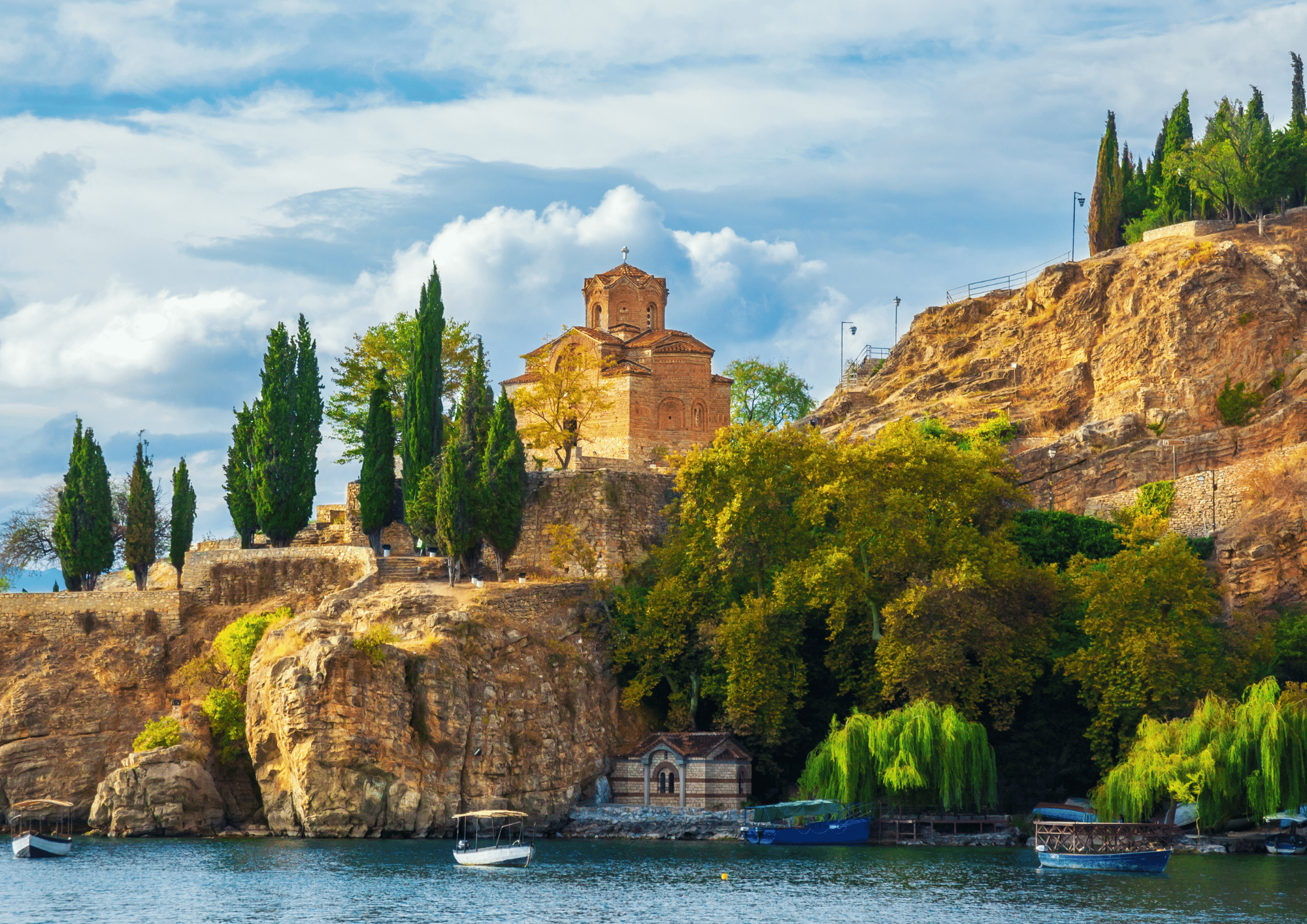
Discover quiet villages beyond busy resorts reveal authentic flavours and nature wonders create memorable outdoor escapes. Poland and more European markets continue to feature in Cyprus tourism, connecting international tourists with diverse island experiences. From mountain villages to scenic Cyprus offers fresh reasons to explore beyond the familiar. Meanwhile, tourists worldwide can uncover culture, cuisine and landscapes across lesser-known corners. Travel And Tour World urges readers to explore the entire story for a closer look at Cyprus’s emerging travel experiences.
Cyprus Tourism 2026: Six Underrated Destinations, Five-Year Visitor Data, Travel Costs and Detailed Itineraries
Cyprus offers far more than the internationally recognised resorts of Paphos, Limassol, Larnaca and Ayia Napa. For travellers seeking quieter experiences, the island has mountain villages, traditional communities, archaeological landscapes, coastal nature and food-focused destinations that can be added to a wider itinerary.
The latest official tourism statistics show that Cyprus recorded 4,534,073 tourist arrivals in 2025, compared with 4,040,200 in 2024. Tourism revenue reached €3.6961 billion in 2025, while average expenditure per tourist was €815.16.
The following guide focuses on six less-publicised destinations and villages that can help international visitors experience a different side of Cyprus.
Important data note: Cyprus Statistical Service publishes national tourist-arrival figures and accommodation/location information, but it does not publish a comparable five-year tourist-arrival series for each small village listed below. Therefore, destination-level annual visitor numbers have not been invented. The five-year comparison table uses official national figures, while each destination section identifies its documented location, attractions and travel characteristics.
Cyprus Tourism 2021–2025: Five-Year Visitor Comparison
| Year | Tourist arrivals | Change from previous year | Tourism context |
|---|---|---|---|
| 2021 | 1,936,931 | — | Recovery year after severe pandemic disruption |
| 2022 | 3,201,080 | +65.3% | International tourism reopened substantially |
| 2023 | 3,845,652 | +20.1% | Strong continued recovery |
| 2024 | 4,040,200 | +5.1% | Arrivals moved above four million |
| 2025 | 4,534,073 | +12.2% | New high in the five-year comparison |
Official Cyprus statistics confirm 1,936,931 tourist arrivals in 2021 and 3,201,080 in 2022. Arrivals then reached 3,845,652 in 2023, 4,040,200 in 2024 and 4,534,073 in 2025.
Advertisement
Advertisement
Across the period from 2021 to 2025, arrivals increased by approximately 134.1%.
The strongest annual percentage change occurred between 2021 and 2022, when arrivals climbed by 65.3%. The pace then moderated to 20.1% in 2023, 5.1% in 2024 and 12.2% in 2025.
Advertisement
Advertisement
This progression matters for travellers because it shows how dramatically Cyprus’s tourism environment changed after the pandemic period.
Cyprus Tourism 2025: Where Visitors Stayed
The official 2024 tourism statistics provide a useful picture of the country’s established visitor centres.
| Main accommodation/location area | Share of tourists in 2024 |
|---|---|
| Paphos | 31.5% |
| Ayia Napa | 15.9% |
| Larnaca | 14.2% |
| Limassol | 12.4% |
| Paralimni | 11.4% |
| Other areas | 14.6% |
Paphos accounted for the largest share at 31.5%, followed by Ayia Napa at 15.9%, Larnaca at 14.2%, Limassol at 12.4% and Paralimni at 11.4%.
That distribution highlights an opportunity for travellers who want to venture away from the most established tourist bases.
Advertisement
Advertisement
Cyprus Tourism Revenue and Traveller Spending
| Indicator | 2024 | 2025 | Change |
|---|---|---|---|
| Tourist arrivals | 4,040,200 | 4,534,073 | +12.2% |
| Tourism revenue | €3.2094bn | €3.6961bn | +15.2% |
| Average expenditure per person | €794.40 | €815.16 | +2.6% |
| Main source market | UK | UK | — |
The United Kingdom remained Cyprus’s leading source market in 2025, accounting for 31.8% of tourist traffic. Israel contributed 13.0%, Poland 8.2%, Germany 6.1%, Greece 3.9% and Sweden 3.4%.
Holiday travel accounted for 79.8% of tourism in 2025. Visiting friends and relatives represented 13.1%, while business travel accounted for 7.0%.
For travellers planning their budgets, monthly spending also varied considerably. Average expenditure per person reached €966.41 in August 2025, compared with €595.71 in February.
Six Underrated Cyprus Destinations to Add to a Longer Itinerary
1. Polis Chrysochous: A Quieter Base for Akamas Adventures
Polis Chrysochous is one of the strongest choices for travellers who want a combination of coastline, archaeology, walking and local food without making a conventional resort the centre of the trip. The official Cyprus tourism authority places Polis approximately 35 kilometres northwest of Paphos. The area developed around the ancient kingdoms of Marion and Arsinoe, giving visitors a historical dimension alongside its natural scenery. The local Archaeological Museum displays discoveries from more than two decades of excavations. Nearby, the Baths of Aphrodite provide one of the area’s best-known natural and mythological attractions. Nature trails around the district offer opportunities to encounter endemic plants, local wildlife and migrating birds. Travellers can also walk along the coastal route towards Latchi Harbour. Latchi is particularly suitable for a seafood-focused lunch or dinner because the harbour area is known for fresh fish restaurants. The official tourism authority also identifies camping opportunities beside a Blue Flag pebble beach. For accommodation, visitors can base themselves in Polis or Latchi and use the area as a gateway for Akamas excursions. A practical two-day plan would include Polis’s old centre and archaeological museum on the first morning, followed by the Baths of Aphrodite and a coastal meal. The second day can focus on a nature trail before returning to Latchi for seafood. Travellers should check trail conditions before hiking and carry water during warmer months.
What to do: Nature walks, archaeological sightseeing, coastal walking, boat excursions and photography.
Where to visit: Polis, Baths of Aphrodite, Latchi Harbour and surrounding nature trails.
Advertisement
Advertisement
What to eat: Fresh fish, seafood dishes, halloumi, village bread and Cypriot meze.
Where to stay: Polis and Latchi provide the most practical accommodation bases.
Best travel style: Nature, culture, food and slower coastal travel.
2. Lefkara: A Mountain Village Built Around Craft and Heritage
Lefkara offers a completely different experience from Cyprus’s major coastal resorts. The village sits around 650 metres above sea level and is approximately 43 kilometres from Larnaca. It consists of Pano Lefkara and Kato Lefkara, with traditional architecture, narrow streets and terracotta-roofed buildings shaping the visitor experience. The village is particularly famous for lace embroidery and filigree silver work. The official tourism authority notes that these crafts have been practised locally since Venetian times. Travellers can learn about them at the Lefkara Handicraft Centre, the Museum of Traditional Embroidery and Silversmithing and local workshops. The Folklore Museum, old fountain and former olive mill add further cultural stops. Religious heritage is also important, with the Church of Timios Stavros and the Chapel of Archangelos Michail providing historic architectural and artistic attractions. Lefkara is included in the island’s seventh wine route, linking mountainous Larnaca and Nicosia areas. Food-focused visitors should look for traditional Cypriot dishes, village pastries, olives, halloumi and locally produced foods. A one-day trip can begin with a walking tour through Pano Lefkara, followed by a craft workshop and museum visit. Lunch can be followed by a visit to Kato Lefkara and nearby countryside. Travellers staying overnight can use Lefkara as a slower alternative to a large coastal resort. The village is also suitable for visitors interested in photography, handicrafts, heritage and rural landscapes.
What to do: Explore workshops, photograph historic streets, visit museums and experience rural culture.
Where to visit: Pano Lefkara, Kato Lefkara, Timios Stavros and the handicraft centres.
Advertisement
Advertisement
What to eat: Halloumi, olives, village bread, traditional pastries and Cypriot meze.
Where to stay: Small guesthouses and village accommodation provide a more traditional experience.
Best travel style: Heritage, crafts, food, photography and rural tourism.
3. Kakopetria: Troodos Mountains, Apples and UNESCO Heritage
Kakopetria provides travellers with a mountain alternative to Cyprus’s coastal destinations. The village sits approximately 670 metres above sea level in the Troodos Mountains and has around 1,300 permanent residents, according to the official tourism authority. Its setting between the Karkotis and Garillis rivers gives the village a greener character than the dry coastal landscapes commonly associated with Cyprus. The rivers meet near the centre and form the Klarios River. Kakopetria is also known for agricultural production, particularly apples, alongside pears, plums, apricots, peaches, cherries, potatoes, grapes and tomatoes. This makes local produce an important part of the visitor experience. Two significant painted churches are located close to the village. Agios Nikolaos tis Stegis and Panagia Podythou are included in the UNESCO World Heritage List. Travellers interested in religious art and Byzantine heritage can therefore combine village exploration with major historic sites. A two-day itinerary could begin with the old village streets, followed by a meal featuring seasonal produce. The second day can focus on the nearby painted churches and mountain landscapes. Visitors should consider spending at least one night because the mountain environment changes significantly between daylight and evening. Accommodation in and around Kakopetria includes traditional-style properties and small hotels. Food choices should include seasonal fruit, local cheeses, Cypriot breads and traditional cooked dishes. Kakopetria works particularly well as a stop between Nicosia and other Troodos destinations.
What to do: Explore the village, visit painted churches, hike and discover local agriculture.
Where to visit: Agios Nikolaos tis Stegis, Panagia Podythou and the river area.
Advertisement
Advertisement
What to eat: Seasonal mountain produce, apples, halloumi, traditional breads and Cypriot dishes.
Where to stay: Small mountain hotels and guesthouses in Kakopetria.
Best travel style: Mountain, heritage, food and photography.
4. Omodos: Wine, Zivania and Traditional Mountain Life
Omodos is a compact mountain destination that offers travellers an opportunity to combine wine, religious heritage, architecture and traditional food. The village stands at approximately 800 metres in the Troodos range and lies around 42 kilometres from Limassol. It belongs to the wine-producing area known as Krassohoria. The official tourism authority highlights Omodos for its wine, Zivania spirit, handmade lace and arkatena bread. The village’s cobbled square is an obvious starting point because several attractions are concentrated nearby. Visitors can explore traditional stone buildings, wineries, a medieval wine press and the Monastery of Timios Stavros. The monastery contains historic icons and woodcarvings. The village also has an Icon Museum and a centre dedicated to traditional narrow-knit lace. Travellers interested in food should make time for local wine and traditional bread alongside Cypriot dishes. A full-day itinerary can begin with the monastery before moving through the village’s artisan workshops. Lunch can focus on regional dishes, followed by a winery visit. An overnight stay allows visitors to experience Omodos after the day-trippers have departed. September can be particularly interesting because the village hosts a major religious fair around September 14. Travellers should verify event dates before planning a trip. Omodos can also form part of a wider Troodos road trip connecting several villages and wineries.
What to do: Wine tasting, village walks, monastery visits and craft shopping.
Where to visit: Central square, Timios Stavros Monastery, medieval wine press and museums.
Advertisement
Advertisement
What to eat: Arkatena bread, halloumi, Cypriot meze and regional dishes.
Where to stay: Village guesthouses and small rural properties.
Best travel style: Wine, gastronomy, heritage and slow travel.
5. Deryneia: Strawberry Country Near the Famagusta Coast
Deryneia provides travellers with an agricultural and cultural perspective on southeastern Cyprus. The small town lies in the Famagusta district and belongs to the island’s fertile Red Soil Villages. Its strongest local identity comes from strawberry production. The official Cyprus tourism authority identifies Deryneia as the island’s main strawberry-growing area. Visitors can encounter strawberry products including juice, jam, liqueur and ice cream. The town’s Strawberry Festival takes place every two years and provides a food-focused reason to visit when the event is scheduled. Deryneia also has cultural attractions that can turn a short stop into a longer excursion. The Folk Art Museum and Open Air Museum of Traditional Professions introduce visitors to traditional Cypriot life and work. The Cultural Centre of Occupied Ammochostos provides another important historical perspective. Religious heritage includes the 15th-century Church of Agia Marina, the Byzantine Church of Panagia and the medieval Church of Agios Georgios. A practical itinerary can combine Deryneia with nearby southeastern Cyprus destinations. Visitors can spend the morning exploring the museums before having lunch featuring local produce. A visit during strawberry season can add a particularly distinctive food experience. Travellers should confirm festival dates because the event is biennial. Accommodation can be arranged in the broader Paralimni, Protaras or Ayia Napa area, allowing Deryneia to become a cultural day trip rather than requiring a separate hotel stay.
What to do: Visit museums, explore traditional professions and discover local strawberry products.
Where to visit: Folk Art Museum, Open Air Museum and Cultural Centre.
Advertisement
Advertisement
What to eat: Fresh strawberries, strawberry preserves, halloumi and traditional Cypriot dishes.
Where to stay: Paralimni, Protaras or nearby southeastern Cyprus accommodation.
Best travel style: Food, culture, agriculture and heritage.
6. Platres: A High-Altitude Mountain Retreat
Platres is an excellent choice for travellers wanting a cooler mountain environment and outdoor activities. The village stands at approximately 1,100 metres in the Troodos range and has long been associated with holiday accommodation. The official tourism authority describes its setting as picturesque, with hotels, nature trails and several visitor attractions. One of its best-known natural features is Caledonia Waterfall, regarded as one of the highest waterfalls in Cyprus. The village also has historic buildings, a winery in Kato Platres and a cultural centre containing old photographs and material connected with the village. Visitors seeking a more modern activity can explore the chocolate workshop and adventure rope park. Platres is therefore suitable for families as well as hikers and nature travellers. A two-day plan could begin with a village walk and cultural visit, followed by a winery or food stop. The next morning can focus on a nature trail towards Caledonia Waterfall. Travellers should wear suitable footwear because mountain paths can become uneven. Accommodation is one of Platres’s advantages because the official tourism authority specifically highlights its hotels and holiday character. Food choices include traditional Cypriot dishes, mountain produce, halloumi and local sweets. Platres can also serve as a base for exploring the wider Troodos region. Travellers who want to escape the heat of the coast may find its high-altitude setting particularly useful when designing a summer itinerary.
What to do: Hiking, waterfall visits, village walks, chocolate experiences and adventure activities.
Where to visit: Caledonia Waterfall, Kato Platres, cultural attractions and surrounding trails.
Advertisement
Advertisement
What to eat: Halloumi, local produce, mountain dishes and traditional sweets.
Where to stay: Mountain hotels and holiday accommodation in Platres.
Best travel style: Nature, hiking, family travel and cooler mountain escapes.
Six-Destination Comparison for Travellers
| Destination | Approx. elevation/location | Main attraction | Travel theme | Recommended stay |
|---|---|---|---|---|
| Polis Chrysochous | Paphos region, 35 km NW of Paphos | Akamas and Latchi | Nature and coast | 2–3 nights |
| Lefkara | 650m, Larnaca region | Lace and silver | Crafts and heritage | 1 night |
| Kakopetria | 670m, Troodos | Painted churches | Mountain and heritage | 1–2 nights |
| Omodos | 800m, Limassol district | Wine village | Wine and gastronomy | 1–2 nights |
| Deryneia | Famagusta district | Strawberries and museums | Food and culture | Day trip/1 night |
| Platres | 1,100m, Troodos | Caledonia Waterfall | Hiking and nature | 2 nights |
What to Eat Across Underrated Cyprus
Food can become a major part of a lesser-known Cyprus itinerary.
Halloumi remains one of the island’s signature foods. The official tourism authority explains that the cheese can be eaten cold or grilled and appears in sandwiches, meze, breakfast dishes and other traditional preparations.
| Food or drink | Where to look for it | Why travellers should try it |
|---|---|---|
| Halloumi | Across Cyprus | Signature Cypriot cheese |
| Arkatena bread | Omodos | Traditional village speciality |
| Zivania | Omodos and wine villages | Traditional Cypriot spirit |
| Fresh strawberries | Deryneia | Major local agricultural product |
| Fresh fish | Latchi/Polis | Coastal speciality |
| Seasonal fruit | Kakopetria | Mountain agricultural produce |
| Cypriot meze | Villages and towns | Broad introduction to local cuisine |
| Local wine | Omodos and Troodos | Links food with wine-country tourism |
Suggested 10-Day Lesser-Known Cyprus Travel Plan
| Day | Base | Main experiences |
|---|---|---|
| Day 1 | Larnaca | Arrival, old town and local food |
| Day 2 | Lefkara | Village walk, handicrafts and museums |
| Day 3 | Kakopetria | Troodos scenery and painted churches |
| Day 4 | Platres | Mountain walk and Caledonia Waterfall |
| Day 5 | Platres/Omodos | Winery and village exploration |
| Day 6 | Omodos | Monastery, crafts and local food |
| Day 7 | Polis | Drive towards western Cyprus |
| Day 8 | Polis/Latchi | Baths of Aphrodite and coastal experiences |
| Day 9 | Deryneia | Museums, local produce and southeastern Cyprus |
| Day 10 | Larnaca/Paphos | Final sightseeing and departure |
How to Build a More Diverse Cyprus Holiday
A traveller does not need to choose between beaches and mountains.
Advertisement
Advertisement
The six destinations can be connected with Cyprus’s established tourist centres to create a broader itinerary.
Paphos can work as the gateway to Polis and the Akamas area.
Larnaca can provide access to Lefkara.
Limassol can be paired with Omodos and the wider Troodos wine region.
The southeastern coast can be combined with a Deryneia excursion.
Troodos destinations such as Kakopetria and Platres can then provide a mountain-focused section of the journey.
Advertisement
Advertisement
This approach also spreads spending across smaller communities rather than concentrating every travel day around major resorts.
Key Cyprus Tourism Statistics at a Glance
| Indicator | Official figure |
|---|---|
| Tourist arrivals, 2021 | 1,936,931 |
| Tourist arrivals, 2022 | 3,201,080 |
| Tourist arrivals, 2023 | 3,845,652 |
| Tourist arrivals, 2024 | 4,040,200 |
| Tourist arrivals, 2025 | 4,534,073 |
| Five-year increase, 2021–2025 | 134.1% |
| Tourism revenue, 2025 | €3.6961bn |
| Revenue growth, 2025 | 15.2% |
| Average tourist spending, 2025 | €815.16 |
| UK share, 2025 | 31.8% |
| Israel share, 2025 | 13.0% |
| Poland share, 2025 | 8.2% |
| Germany share, 2025 | 6.1% |
| Greece share, 2025 | 3.9% |
| Sweden share, 2025 | 3.4% |
| Holiday purpose, 2025 | 79.8% |
All national tourism figures in this table come from Cyprus Statistical Service publications.
Why These Six Destinations Matter to Global Travellers
Cyprus’s established resorts remain important parts of the island’s tourism infrastructure.
However, the smaller destinations provide something different.
Polis introduces travellers to western Cyprus, Latchi and the Akamas landscape.
Lefkara focuses on traditional craftsmanship and mountain heritage.
Advertisement
Advertisement
Kakopetria connects village life with Byzantine heritage and Troodos scenery.
Omodos brings wine, bread, crafts and religious history together.
Deryneia offers agricultural culture and a strong strawberry identity.
Platres delivers altitude, waterfalls, trails and mountain accommodation.
Together, these destinations can transform a conventional Cyprus holiday into a multi-region journey.
The result is an itinerary combining Mediterranean beaches, mountain landscapes, village culture, food, wine, history and outdoor adventure without relying entirely on the island’s best-known tourist centres.
Advertisement
Advertisement
For international travellers planning Cyprus in 2026, the key opportunity is not simply visiting more places. It is using the island’s compact geography to experience several distinct travel environments within one trip.
Conclusion
Cyprus offers tourists worldwide a refreshing way to experience the Mediterranean beyond its familiar resort centres. Quiet villages reveal traditional culture, while wine trails connect travellers with local flavours and rural landscapes. Nature wonders add hiking, scenic viewpoints and outdoor adventures to the journey. Meanwhile, Cyprus matches Poland and more international markets with a diverse travel proposition built around coast, countryside and heritage. For travellers planning their next Mediterranean escape, these lesser-known destinations provide meaningful experiences and memorable discoveries. Travel And Tour World encourages readers to look beyond the usual Cyprus itinerary and explore the island’s quieter side.