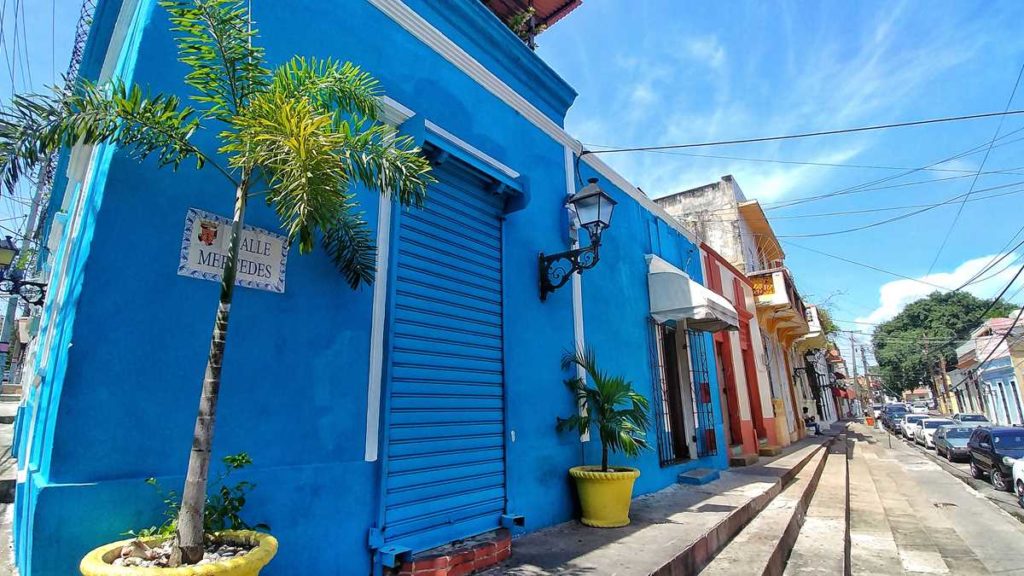
We live in a world filled with digital sounds, automatic messages and screens that never stop.. Under all this easy life our hearts still want real human kindness, a handshake that feels real and the exciting feeling of being in a room full of people. Artificial intelligence can make lots of reports quickly but it can’t capture true trust or shared jokes. That is why meetings in person and real trips are growing faster, than ever. When everything online becomes easy and quick real life experiences become the valuable thing we have.
Building Authentic Human Connections in an Era of Digital Abundance
Advertisement
Advertisement
The rapid rise of machine learning tools permits instantaneous content production, automated communication, and exhaustive market analysis. However, as digital material becomes vastly abundant across every sector, human traits like attention, trust, community, and real-world presence become far scarcer and immensely more valuable. Major technology firms recognize this fundamental market shift. For example, one prominent developer made headlines by offering salaries reaching $400,000 for an event organizer to curate meaningful physical gatherings. Virtual tools easily complete repetitive tasks, yet decision-makers continuously demand face-to-face engagements to establish reliable commercial connections. Consequently, automated applications function as administrative support rather than direct replacements for authentic human connection.
The international corporate travel sector exhibits strong financial growth, proving that screen-based tools cannot replace real-world meetings. During 2025, approximately 1.65 billion people participated in professional gatherings across more than 180 countries, generating $1.3 trillion in direct expenditures. When accounting for broader financial ripple effects, business events contributed $1.8 trillion to global GDP and supported 24.2 million jobs. Furthermore, global corporate travel spending expanded by 8.4% in 2025 to reach $1.59 trillion, with forecasts projecting a record $1.71 trillion in 2026 alongside 1.84 billion business trips. These figures confirm that executives prioritize direct personal conversations to negotiate contracts and forge long-term international ventures.
Advertisement
Advertisement
Modernizing Local Economies Through High-Value Gatherings and Experience Tourism
Every business assembly energizes an entire regional ecosystem, providing direct economic support to technical crews, hotel employees, logistics experts, local shops, and catering teams. Progressive destination strategists view delegates not merely as venue visitors, but as foundational economic infrastructure for urban development. When travelers arrive in a host city, they reserve hotel accommodations, dine at local restaurants, hire transportation providers, and explore regional cultural destinations. Consequently, professional conferences naturally transform into lucrative business tourism, uniting aviation networks, municipal development projects, and hospitality sectors into a single economic driver.
Advertisement
Advertisement
Continental Destinations Harnessing Targeted Events to Drive Sustainable Growth
Continental travel markets are swiftly implementing experience-led frameworks to drive long-term financial expansion and international visitor engagement. In 2025, the travel and tourism sector across Africa contributed roughly $228 billion to the regional economy, registering a 5% annual growth rate that outpaced general economic expansion. Projections for 2026 indicate this contribution will rise to $241 billion, while tourism-supported employment will grow from 30.2 million to 31.5 million jobs. Strategic planning models demonstrate that destinations achieve sustainable success when they offer compelling cultural and commercial reasons to visit, rather than depending solely on traditional marketing efforts.
Advertisement
Advertisement
Rwanda serves as an extraordinary model for experience-led destination growth through structured international event hosting. In 2025, Rwanda welcomed 1.49 million visitors and generated a record $685 million in total tourism revenue. Specifically, its specialized events sector produced $94.7 million reflecting an 11.8% single-year increase by hosting 165 international and regional events that drew over 61,000 delegates. Major gatherings hosted in Rwanda included the Mobile World Congress, the Basketball Africa League, Move Afrika, and the historic UCI Road World Championships. These curated events gave international travelers distinct reasons to visit, establishing an effective roadmap for destination growth across the world.
Integrating Digital Innovations into Physical Journeys for Future Tourism Expansion
Looking ahead, artificial intelligence will streamline travel logistics without replacing real-world travel experiences. Automated software will customize trip itineraries, simplify registration procedures, offer instant language translation, assess delegate preferences, and improve venue operations. Technology will handle complex backend logistics, ensuring frictionless real-world travel for millions of global visitors. However, automated systems cannot duplicate spontaneous conversations, shared local meals, live entertainment, or face-to-face commercial negotiations.
Ultimately, the global tourism industry prospers when digital innovation and physical presence work in harmony. Destinations that combine rich heritage, specialized events, and distinct local culture will attract modern travelers seeking meaningful physical engagement. As digital content fills daily life, real-world journeys and genuine human connections become premium assets. Regional tourism boards, aviation operators, and hospitality leaders must collaborate to design memorable experiences. By offering compelling reasons to travel, host nations ensure sustainable prosperity in an increasingly automated world.
Advertisement
Advertisement
The Expanding Financial Dynamics of Blended Corporate and Leisure Journeys Across International Destinations
The global corporate travel landscape has undergone a fundamental transformation as delegates increasingly combine professional assignments with personal vacations. This emerging travel pattern, frequently referred to as bleisure, fundamentally alters hospitality revenue models and extends the economic benefits of business gatherings. Over 60% of international corporate travelers now actively extend their business itineraries to explore regional destinations. By appending personal vacation days to mandatory work trips, delegates maximize their travel efficiency while discovering new cultural environments across host countries.
This behavior shift generates substantial financial gains for local hospitality networks, municipal transport services, and entertainment sectors. On average, blended corporate travelers generate a 35% to 45% higher spending multiplier per itinerary compared to short-stay business visitors. Furthermore, extending professional travel adds an average of 2.4 extra nights to hotel occupancy rates in host cities. Consequently, regional tourism boards and municipal planners are actively tailoring their marketing strategies to convert single-day convention delegates into multi-day vacationers.
Navigating Operational Cost Factors, Daily Delegate Expenses, and Venue Inflation Pressures
Organizing large-scale international gatherings requires managing rising operational expenses, fluctuating vendor fees, and inflationary pressures across supply chains. In 2026, the global daily cost per event participant climbed to $263, marking a 3% year-over-year increase from 2025 levels, with financial models projecting a further rise to $267 in 2027. A significant portion of this expenditure surge stems from essential venue services. Specifically, catering provisions, venue production fees, and specialized audiovisual labor account for over 55% of direct budget escalations faced by event coordinators.
Aviation expenses present another major financial variable for corporate travel departments planning international gatherings. Global corporate airfares averaged $756 per seat in 2026, representing a 4.7% annual increase across economy cabins. Meanwhile, long-haul international business class fares surged by 9.5%, reaching an average benchmark of $4,488. To counter these rising costs, event organizers are optimizing venue logistics, streamlining schedule structures, and negotiating multi-year vendor contracts to maintain profitability without sacrificing delegate experiences.
Advertisement
Advertisement
Integrating Corporate Environmental Targets and Certified Green Standards into Destination Selection
Corporate travel procurement strategies increasingly mandate strict environmental, social, and governance standards when selecting host locations and vendor partners. Approximately 93% of corporate travel buyers now evaluate explicit sustainability policies before signing facility contracts or booking delegate accommodations. Modern enterprises view sustainable travel management not merely as a regulatory requirement, but as a core component of their overall corporate responsibility framework.
Consequently, host venues and municipal infrastructure must adapt to meet these evolving environmental expectations. Over 78% of international event planners require host convention centers to maintain certified green building accreditations. Additionally, 63% of corporate procurement teams enforce mandatory carbon footprint reporting for major international delegate programs. Destinations that invest in renewable energy systems, zero-waste venue management, and eco-friendly public transit networks gain a decisive competitive advantage when competing for major international events.
Analyzing Flight Route Dynamics, Airline Fleet Availability, and Regional Connectivity Variances
Global commercial flight connectivity directly influences international event participation, host destination accessibility, and overall corporate travel volume. In 2026, global economy class airfares increased by 8.7% due to jet fuel price volatility and supply chain delays in commercial aircraft deliveries. However, market projections indicate a stabilization phase, with average airfare growth moderating to an anticipated 1.1% increase in 2027. This price stabilization offers corporate travel planners greater budget predictability for upcoming international itineraries.
Geographic flight distribution reveals stark variances in corporate travel volume across international markets. Asia-Pacific and Europe consistently lead global corporate flight activity, each recording nearly 600 million business flight segments annually. Conversely, geopolitical tensions and shifting airspace corridors contributed to a 12.3% drop in Middle Eastern corporate travel volume during 2026. This regional decline forced international airlines to reroute long-haul connections through established European and Asian transport hubs to maintain global passenger traffic.
Advertisement
Advertisement
Managing Hospitality Yield Policies, Room Rate Fluctuations, and Ground Logistics Planning
Hotel room rate strategies and lodging inventory availability directly shape the cost structure and competitive positioning of host destinations. In 2026, the global Average Daily Rate for hotel accommodations reached $168, reflecting a 3.7% increase over the previous year, with forecasts pointing toward a $171 benchmark in 2027. These yield management adjustments force event organizers to secure block room bookings well in advance to shield delegates from last-minute room rate spikes.
Regional hotel pricing trends demonstrate significant market variations across geographic zones. Hotel room rates spiked by 9.5% across Latin America and 5.0% across Asia-Pacific in 2026, driven by surging regional tourism and expanding business activity. In contrast, Europe maintained relative price stability, recording a modest 0.6% rate expansion. Meanwhile, ground transportation costs provided operational predictability, with global car rental expenses stabilizing at an average of $46.50 per day throughout 2026.
Accelerating Convention Capacity and Tourism Infrastructure across Fast-Growing Regional Markets
Emerging economies across Asia-Pacific are rapidly expanding their conference infrastructure, converting regional urban centers into major global event destinations. India exemplifies this rapid growth trajectory, with its event and conference sector valued at $37.75 billion in 2025 and expanding to $42.25 billion in 2026. Industry forecasts project this market will reach $74.12 billion by 31, reflecting a remarkable 11.92% compound annual growth rate. Furthermore, corporate travel budgets within India have surged past baseline levels, reaching 110% of pre-pandemic allocations.
Geographic distribution within India highlights key regional growth clusters for commercial events and tourism infrastructure. Northern India commands the primary market share, accounting for 45.4% of nationwide event activity due to its established diplomatic and commercial centers. Meanwhile, Eastern India represents the fastest-growing regional market, expanding at an annual rate of 11.58%. Municipal investments in new convention facilities, expanded airport terminals, and modern hotel developments continue to drive this geographic expansion.
Advertisement
Advertisement
Long-Term Market Valuations and the Economic Expansion Trajectory of the Global Events Sector
The global Meetings, Incentives, Conferences, and Exhibitions sector remains a cornerstone of international commerce and destination development. The sector achieved an overall valuation of $945.6 billion in 2025, before crossing the trillion-dollar threshold to hit $1.03 trillion in 2026. This rapid expansion underscores the enduring commercial demand for face-to-face networking, supplier exhibitions, and physical corporate gatherings.
Long-term economic forecasts indicate sustained upward momentum for the global event ecosystem over the coming decade. Financial models project the global market will grow at an 8% compound annual growth rate, reaching $1.83 trillion by 2033 and climbing to $2.0 trillion by 2035. While Europe maintains the largest overall market share for hosting international conventions, the Asia-Pacific region continues to record the fastest annual growth rate, driven by expanding commercial centers and infrastructure investments.
Measuring Technology Investment Value Against Direct Business Outcomes for Physical Events
Modern corporate travel managers continually balance technology investments against the proven business value of face-to-face engagements. To maintain visibility over travel expenditure, 68% of corporate delegates utilize centralized payment systems and corporate cards to track real-time expenses and adhere to company travel policies. These digital tracking solutions help corporate finance teams streamline reimbursement workflows and analyze travel expenditure trends across departments.
Furthermore, enterprise travel policies increasingly mandate formal booking channels to capture accurate program metrics. Over 65% of global corporations enforce strict booking compliance through designated travel management software to evaluate travel ROI. Enterprise policy trends indicate that organizations are approving a 7.2% increase in overall travel budgets while total trip volume grows by a modest 1.3% to reach 1.84 billion trips in 2026. This strategic focus demonstrates that enterprises are deliberately choosing fewer, higher-value physical interactions to build trust, forge partnerships, and maximize return on investment.
Advertisement
Advertisement
The Final Horizon
Screens may shape our routines. They will never replace our souls need to explore, connect and belong. Technology can easily handle the logistics. Only real-world journeys can touch our hearts build genuine trust and stir that quiet wonder within us. No line of code can ever match a handshake, a shared meal or standing shoulder-to-shoulder with thousands of voices singing as one. As our daily lives become increasingly digital those precious unfiltered human moments, on the road will always remain the anchor of who we are.