Spain’s Comunitat Valenciana is looking to boost its profile in the United States with the launch of new products for accessible cultural tourism, personalised holidays and inclusive business events by TUR4all Travel. The initiative will see the Mediterranean region’s tourism offering promoted to American travel advisors and meeting planners at two business-to-business presentations in New York City on 27 October and Chicago on 1 December 2026. The campaign is developed by Turespaña in collaboration with IMPULSA IGUALDAD–TUR4all to enhance professional relationships whilst promoting travel experiences that take into account different accessibility needs.
The initiative places the provinces of Valencia, Alicante and Castellón at the centre of Spain’s efforts to develop more inclusive tourism. With nearly 500 tourism establishments, services and experiences reportedly assessed through TUR4all, the region is presenting practical information that can help travel professionals create personalised itineraries. The programme also supports Spain’s wider Spain, a country for everyone campaign, which promotes accessible travel across cultural attractions, accommodation, transport and leisure activities.
New York and Chicago Events Open Fresh Opportunities for Accessible Tourism
The two upcoming presentations are designed to connect American tourism professionals with organisations specialising in accessible travel across Spain. New York City will host the first meeting on 27 October 2026, focusing on leisure holidays, cultural exploration and personalised visitor experiences. The second gathering, scheduled for Chicago on 1 December, will concentrate on meetings, incentives, conferences and exhibitions, commonly known as the MICE sector.
Both events will provide opportunities for travel advisors and event planners to learn more about Comunitat Valenciana and the services available to visitors with different needs. Rather than focusing exclusively on individual attractions, the presentations will examine how accommodation, transport, activities and assistance can work together to create a complete travel experience.
For the American travel trade, these discussions could support the development of more specialised holiday packages and business events. They also create an opportunity to build relationships with local experts who understand the practical requirements of accessible tourism.
Cultural Tourism Emerges as the Leading Priority in Spain’s Accessible Travel Market
Cultural discovery has become a major influence on travel choices among visitors requiring accessible services. According to TUR4all Travel’s 2026 tourism trends report, culture and heritage account for an estimated 45–50% of travel preferences within Spain’s international accessible tourism market.
Advertisement
Advertisement
Accessible coastal holidays account for approximately 20–23%, while nature-related experiences represent another 12–15%. These estimates indicate that many travellers are interested in experiences extending beyond traditional beach holidays, including visits to historic towns, museums, cultural landmarks and local communities.
The findings provide a commercial opportunity for travel advisors developing specialised itineraries. Visitors may wish to discover historic buildings, enjoy regional cuisine or explore natural landscapes while receiving the practical support needed to participate comfortably.
For Comunitat Valenciana, this demand aligns with the region’s established cultural and tourism attractions. Its combination of heritage, Mediterranean scenery, gastronomy and varied visitor experiences provides a foundation for inclusive travel programmes that can be adapted to individual requirements.
United States Becomes an Important Market for Tailor-Made Spanish Holidays
The United States occupies an important position in Spain’s accessible tourism market. TUR4all Travel’s 2026 report estimates that American visitors represent approximately 10–12% of international accessible tourism demand to Spain. It also identifies the United States as the market with the highest average daily visitor spending among those analysed.
This makes American travel advisors an important audience for tourism organisations offering personalised assistance, specialist accommodation and individually planned experiences.
For many travellers, the quality of a holiday depends not only on the destination but also on how confidently they can navigate each stage of the journey. Accurate information about hotel facilities, adapted vehicles, attraction entrances and available assistance can influence booking decisions.
Advertisement
Advertisement
The report also estimates that travellers aged over 60 account for around 35% of international accessible tourism demand. This highlights the potential importance of services that support older visitors alongside people with disabilities and other accessibility requirements.
By presenting Comunitat Valenciana directly to American tourism professionals, TUR4all Travel is seeking to turn these market opportunities into practical travel products.
Nearly 500 Tourism Assessments Support More Personalised Holiday Planning
Reliable accessibility information is central to the region’s tourism proposition. According to the initiative, TUR4all has assessed nearly 500 tourism facilities, services and experiences across Comunitat Valenciana, creating a resource that can help travel professionals understand what individual locations offer.
The information covers different aspects of accessibility and can support the selection of suitable accommodation, attractions, restaurants, transport services and leisure experiences.
Importantly, an assessment does not mean that every establishment is suitable for every visitor. Travellers have different needs, and an arrangement that works for one person may not work for another. Detailed descriptions therefore provide greater value than general claims that a property or attraction is accessible.
TUR4all’s wider platform incorporates information relating to physical, visual, hearing and cognitive accessibility. This approach allows visitors and travel advisors to compare available facilities against specific requirements.
Advertisement
Advertisement
For tourism businesses, providing accurate and detailed information can also reduce uncertainty during the booking process. It allows itineraries to be developed around verified conditions rather than assumptions about what a destination can provide.
Valencia Combines Historic Attractions, Mediterranean Culture and Inclusive Experiences
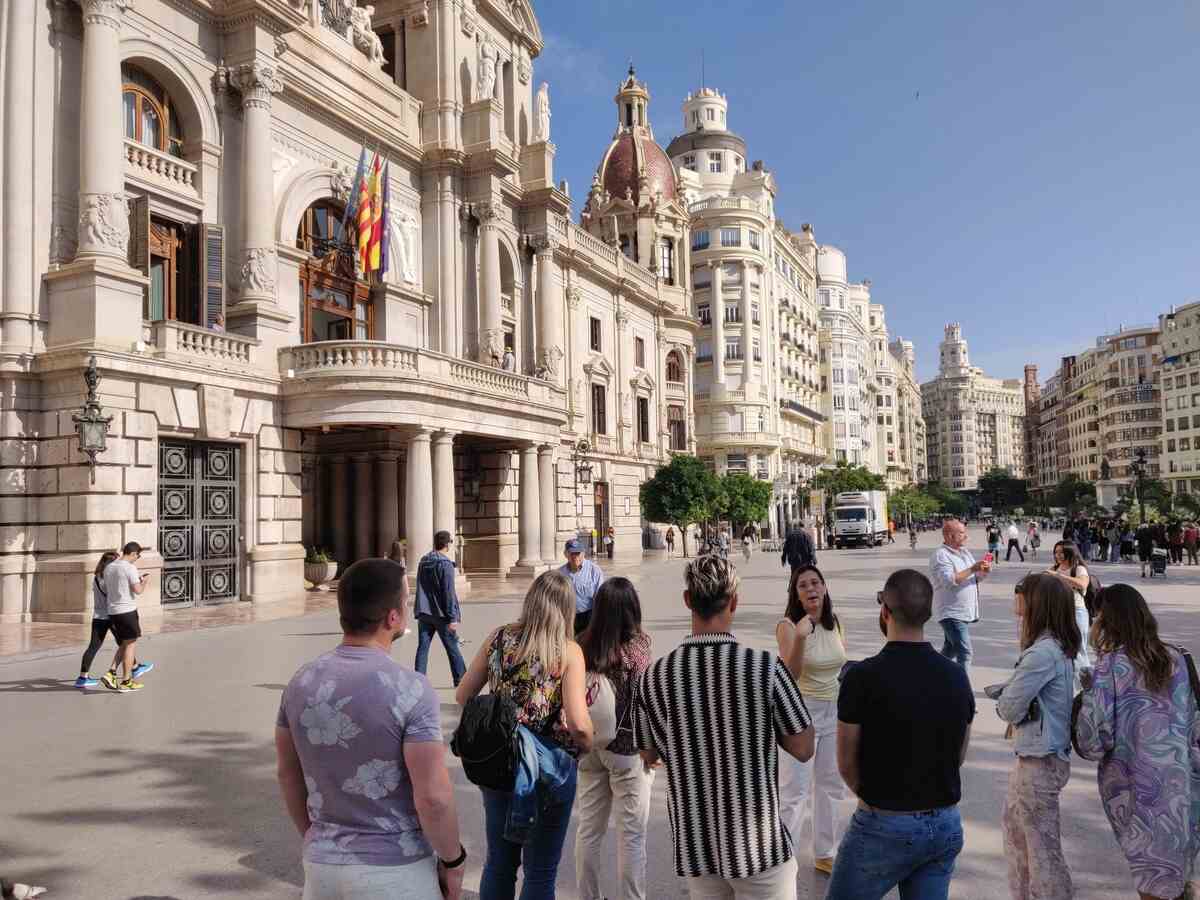
Valencia offers a combination of historic attractions and modern cultural facilities that makes it particularly relevant to accessible city-break tourism.
The city’s historic centre includes important architectural landmarks, traditional markets and museums, while the City of Arts and Sciences provides a different experience through science, culture and contemporary design.
Spain’s official tourism authorities identify several accessible cultural spaces and visitor routes in Valencia. The former Turia riverbed, now a major public park, also offers opportunities for outdoor exploration through paths and green spaces.
Outside the city, the Albufera Natural Park provides another option for visitors interested in local culture and nature. The area is known for its lagoon, rice fields, traditional communities and boat excursions. Official tourism information identifies adapted boating opportunities, although suitable arrangements should be checked with individual operators before booking.
Gastronomy adds another dimension to the destination. Regional cooking, rice dishes and local food traditions can be incorporated into personalised tours, subject to venue accessibility and individual dietary requirements.
Advertisement
Advertisement
These experiences demonstrate how cultural tourism can be organised around visitors’ interests without separating accessibility from the wider holiday experience.
Alicante and Castellón Strengthen the Region’s Accessible Tourism Offering
Beyond Valencia, Alicante and Castellón provide further opportunities to develop cultural, coastal and nature-based itineraries.
Alicante combines Mediterranean beaches with historic attractions, museums and countryside experiences. The regional tourism authority identifies approximately 50 adapted beaches across the Costa Blanca, where facilities may include access ramps, assisted bathing services and specialist equipment.
Four accessible greenways in the province, including routes in Alcoy, Maigmó, Torrevieja and Xixarra 2, provide additional options for visitors who want to explore natural surroundings.
Castellón offers a different combination of cultural heritage, coastal scenery and outdoor attractions. Its tourism resources include accessible public spaces, selected nature routes and cultural venues.
Official Spanish tourism information also highlights adapted experiences such as visits to the Castellón planetarium, nature observation areas and boat excursions in the San José Caves.
Advertisement
Advertisement
Together, these destinations help broaden the scope of accessible tourism beyond a single city or attraction. They provide opportunities to create multi-destination holidays that combine heritage, gastronomy, nature and relaxation, with individual accessibility arrangements checked throughout the journey.
Transport, Accommodation and Assistance Become Essential Parts of Every Itinerary
An accessible holiday requires more than an adapted attraction or hotel room. Every stage of the journey must be considered, from arrival in Spain to movement between destinations and participation in activities.
American travel advisors arranging holidays in Comunitat Valenciana therefore need dependable information about accommodation accessibility, airport assistance, adapted ground transport and the physical conditions of planned attractions.
For visitors using wheelchairs, details such as doorway widths, bathroom layouts, lift availability and vehicle equipment can be essential. Travellers with hearing or visual impairments may require accessible communication, appropriate signage or additional guidance.
Others may benefit from clear instructions, quieter spaces, flexible schedules or personal assistance.
TUR4all Travel’s approach centres on matching these requirements with available local services. It offers tailored travel planning and assistance arrangements rather than relying on a standard package for every customer.
Advertisement
Advertisement
Effective coordination can also reduce the risk of unexpected difficulties after arrival. For advisors, this creates an opportunity to improve service quality while developing stronger relationships with customers seeking dependable travel experiences.
Accessible Meetings and Conferences Create New Opportunities for Spain’s MICE Tourism
The campaign also places particular emphasis on the business events industry, where accessibility influences the ability of delegates to participate fully.
Comunitat Valenciana already has an established meetings and exhibitions sector, supported by conference centres, hotels and event venues across its three provinces.
Valencia’s event infrastructure includes the Valencia Conference Centre, Feria Valencia, the Marina and venues within the City of Arts and Sciences. Alicante and Castellón also offer conference facilities and locations for professional gatherings.
However, accessible event planning extends beyond selecting a suitable building. Organisers must consider how participants reach the venue, move between meeting rooms, access presentation spaces and take part in networking activities.
Accommodation must also be coordinated with the event programme. The availability of suitable guest rooms, adapted transport and accessible dining facilities can determine whether delegates can participate comfortably throughout their stay.
Advertisement
Advertisement
The Chicago presentation on 1 December 2026 will focus on these requirements, introducing American MICE professionals to the region’s potential for more inclusive meetings and corporate travel programmes.
Inclusive Event Planning Requires Detailed Coordination Across Every Stage
For meeting planners, effective accessibility starts during the earliest stages of programme design.
A conference venue may provide ramps and lifts while still requiring additional arrangements for speakers, delegates or visitors with specific sensory and communication needs.
Accessible stages, suitable seating positions, wheelchair circulation space and appropriate presentation formats can all influence participation. Information should also be provided in formats that attendees can use.
The same considerations apply outside formal meeting sessions. Networking receptions, group dinners, airport transfers and cultural excursions should be included in the accessibility planning process.
For international events, coordination becomes especially important because visitors may be unfamiliar with local transport systems or available services.
Advertisement
Advertisement
Working with destination specialists can help organisers identify suitable suppliers, review practical arrangements and address potential barriers before participants arrive.
This approach offers a more complete understanding of inclusive MICE tourism. Instead of treating accessibility as a final adjustment, it becomes part of the event’s design, delivery and overall visitor experience.
Cultural Excursions Can Add Greater Value to Business Travel and Incentive Programmes
Comunitat Valenciana’s cultural and leisure attractions may also appeal to corporate groups seeking experiences beyond conference rooms.
Meeting planners often include local activities, group excursions and dining programmes to encourage networking and introduce delegates to a destination.
In Valencia, potential experiences include guided cultural tours, gastronomy activities and visits to the Albufera lagoon. Elsewhere in the region, suitable programmes may involve historic towns, wine-related experiences or selected nature attractions.
These activities can also benefit accompanying guests and business travellers who choose to extend their professional visit into a leisure holiday.
Advertisement
Advertisement
However, group organisers must assess the accessibility of each excursion rather than assuming that all participants can use the same arrangements.
Transport, activity duration, physical access and the availability of assistance can influence whether a programme meets the needs of the entire group.
By coordinating cultural attractions with meeting facilities and suitable accommodation, destination specialists can help create professional events that combine business objectives with meaningful visitor experiences.
Spain’s National Accessibility Campaign Strengthens the International Tourism Message
The American presentations form part of a wider national effort to promote Spain as a destination that welcomes travellers with different accessibility requirements.
Turespaña’s Spain, a country for everyone campaign places greater attention on inclusive cultural experiences, accessible infrastructure and travel planning based on individual needs.
The campaign reflects a broader tourism strategy in which accessibility is considered an important part of destination quality rather than an isolated specialist service.
Advertisement
Advertisement
Spain’s official tourism platform already provides information about accessible cultural attractions, nature areas, beaches, accommodation and transport options. It also identifies TUR4all as a resource for researching accessibility conditions.
The national campaign complements regional initiatives by improving awareness among international visitors and tourism professionals.
For Comunitat Valenciana, the connection between national promotion and local destination expertise may help strengthen its position in specialised leisure and business travel markets.
It also reinforces the importance of providing detailed and dependable information so that visitors can make informed decisions before booking.
What the 2026 US Presentations Mean for the Future of Accessible Tourism
The New York and Chicago presentations represent a targeted effort to connect Spain’s accessible tourism services with American travel distribution and event planning networks.
Their significance lies in the practical relationships they may help establish between travel advisors, meeting planners and local service providers.
Advertisement
Advertisement
The New York gathering will concentrate on tailored holidays and cultural experiences, while Chicago will address the more complex requirements of inclusive meetings and incentive travel.
Together, the events highlight opportunities across both leisure and corporate tourism without treating accessibility as a separate category of visitor experience.
For Comunitat Valenciana, the long-term opportunity will depend on the quality of its tourism services, the reliability of accessibility information and the ability of suppliers to coordinate personalised arrangements.
The initiative also demonstrates how cultural heritage, coastal tourism, gastronomy and business events can contribute to a broader destination strategy.
As Tourism professionals take the inclusion into account at all stages, Comunitat Valenciana aims to position itself as a Mediterranean region where more tourists can experience an increased number of Spain’s attractions with more confidence and independence, gaining choice.