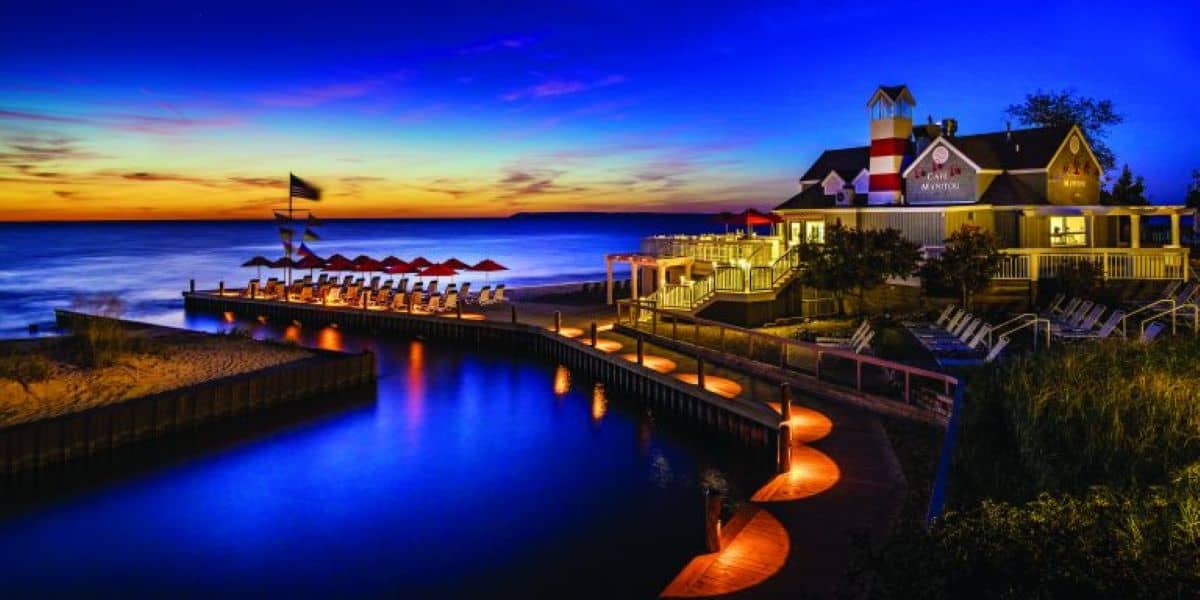
There is a deep energy flowing across the Great Lakes this season. People are choosing to leave behind loud coastlines and are instead discovering the quiet beauty of the heartland’s vast freshwater lakes. This shift has brought growth in tourism for Michigan and Minnesota. In 2026 spending on hotels and cruises reached record levels driving direct traveler spending in Michigan over $30 billion. Minnesota is also celebrating five years of strong growth. Whether it’s a cabin, by Lake Superior or a stylish city stay the travel boom is transforming the way people experience the Midwest. This moment is reshaping what Midwestern hospitality can be.
Sensational Freshwater Voyages: Why Are Luxury Great Lakes Cruises Generating Over $300 Million Across Port Cities in Detroit and Mackinac Island?
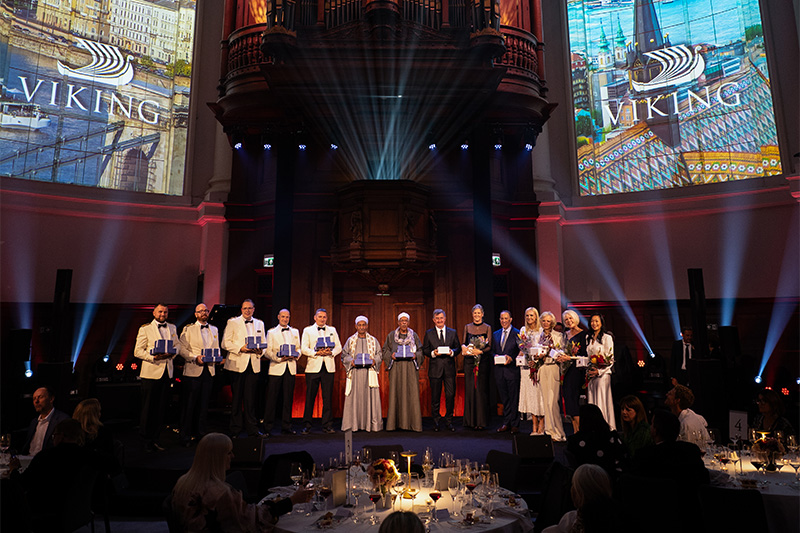
Freshwater marine tourism has officially evolved into a premier luxury market, providing host cities with substantial per-passenger economic injections. Industry data compiled by the regional consortium Cruise the Great Lakes confirms that the cruise sector will generate a record-setting $300 million economic impact in 2026 across Midwestern ports. Seven luxury operators—including global expedition leaders such as Viking Cruises and Pearl Seas Cruises—are currently deploying 10 state-of-the-art luxury ships across the inland seas. This maritime renaissance has completely transformed traditional perceptions of freshwater cruising, turning quiet harbor towns into bustling hubs of international commerce and high-end leisure.
Historic maritime ports such as Detroit, Mackinac Island, Sault Ste. Marie, and Muskegon in Michigan, alongside the bustling Port of Duluth-Superior in Minnesota, are reaping massive financial rewards. Disembarking passengers routinely participate in high-yield onshore excursions, fine dining, and local heritage tours, injecting vital capital directly into small coastal businesses and municipal port authorities. As travellers increasingly seek unique aquatic adventures away from overcrowded saltwater oceans, these pristine inland waterways offer an unmatched combination of rugged natural beauty and sophisticated onboard amenities. Municipal leaders across these iconic ports are continuously upgrading dockside infrastructure to accommodate the surging fleet traffic and ensure seamless visitor experiences.
Advertisement
Advertisement
Sky-High Daily Rates: What Is Driving Unprecedented Hotel and Lodging Revenue Growth Across Midwestern Cities Like Minneapolis and Traverse City?
The hospitality and lodging sector has emerged as a cornerstone of overall economic growth, sustained by elevated Average Daily Rates and robust summer occupancy levels. Hoteliers across both states have effectively optimized yields by catering to a rising influx of leisure travelers seeking premium accommodations. Boutique luxury properties and iconic heritage inns report extraordinary booking numbers, reflecting a profound shift toward experiential travel and comfort-driven getaways. Industry analysts emphasize that strategic marketing campaigns and elevated service standards have successfully attracted high-net-worth visitors from coast to coast.
Advertisement
Advertisement
In Michigan, boutique properties in Traverse City, waterfront hotels in Grand Haven, and restored luxury hotels in downtown Detroit report exceptional seasonal performance. In Minnesota, urban lodging venues in Minneapolis and St. Paul have seen strong business travel demand, while wilderness lodges surrounding the Brainerd Lakes region and the scenic North Shore of Lake Superior maintain premium room rates throughout peak leisure seasons. Visitors are gladly investing top dollar for immersive stays that blend modern architectural elegance with breathtaking natural landscapes. This robust lodging performance has empowered local hospitality entrepreneurs to reinvest heavily in property upgrades and sustainable operational practices.
Substantial Local Tax Relief: How Does Record Visitor Spending Directly Benefit Resident Households in Minnesota and Michigan Communities?
Beyond commercial profitability, the rapid expansion of visitor expenditure offers tangible, long-term tax benefits for local residential communities. State budget analyses show that tourist spending directly subsidizes municipal services, regional transportation infrastructure, and natural resource conservation programs. This financial cushioning ensures that vital public amenities remain well-funded without imposing heavy tax burdens on local families. Community leaders frequently praise the tourism sector for acting as a reliable economic stabilizer during broader national financial fluctuations.
Official state data published by Explore Minnesota demonstrates that the $2.4 billion generated in state and local travel taxes saves the average Minnesota household approximately $1,038 annually in direct tax relief. In Michigan, travel-generated state and local tax revenues contribute over $3.5 billion to local government funds, supporting state stability and sustaining over 350,000 regional jobs. These remarkable fiscal contributions highlight the direct correlation between thriving visitor economies and enhanced quality of life for permanent residents. Every dollar spent by a tourist on local dining, retail, or lodging actively reinforces the foundational infrastructure of these beloved Midwestern states.
Road Trip Resurgence: How Midwestern Drive-In Visitors Power Regional Hospitality Operations Across Minnesota and Michigan Highway Corridors?
Minnesota has proudly secured the number one national ranking as a top road trip destination, according to recent WalletHub evaluations, sustaining a remarkable 1.2% rise in total visitation to reach 82.5 million guests. Over 85% of total visitor arrivals across both states originate from nearby Midwestern drive markets, including heavy-travel feeder states like Illinois, Ohio, Wisconsin, and Indiana. This heavy concentration of vehicular travel creates a powerful wave of economic activity that directly benefits rural and suburban highway corridors alike. As families and weekend explorers opt for scenic domestic road trips, local roadside economies experience sustained vitality from peak spring through late autumn.
Advertisement
Advertisement
Gas station stops, convenience store purchases, and highway retail expenditures account for an impressive $3.8 billion of total regional traveler spending across Michigan and Minnesota transport routes. Travelers traversing these picturesque interstate networks routinely invest in local snacks, regional crafts, and vehicle services, distributing financial gains well beyond major metropolitan centers. State transportation departments and local chambers of commerce coordinate closely to maintain seamless highway infrastructure, ensuring that high traffic volumes translate smoothly into thriving local retail environments. This heavy reliance on drive-market accessibility underscores the enduring appeal of flexible, independent travel across the American heartland.
Yield Optimization Secrets: Why Rising Average Daily Rates and RevPAR Gains Are Fueling Record Hotel Revenues in Detroit, Minneapolis, and Resort Hubs?
Minnesota recorded a solid 5.8% year-over-year increase in Revenue Per Available Room, climbing to $66.08, while central regional performance surged by an even more impressive 7.5%. Statewide Average Daily Rates in Minnesota climbed to $129.65, representing a 4.4% bump, with Northeastern Minnesota along the scenic North Shore achieving peak regional ADR performance at $134.25 per night. Meanwhile, downtown Detroit and historic Traverse City boutique hotels reported peak summer ADRs exceeding $210 per night, directly lifting Michigan’s annual total direct visitor expenditure past the monumental $30 billion threshold. Hoteliers across the region have successfully optimized yield management by catering to travelers seeking high-end comfort and authentic local luxury.
Urban hospitality venues in Minneapolis and St. Paul have captured robust business travel demand, while wilderness lodges surrounding the Brainerd Lakes region maintain premium room rates throughout peak leisure seasons. Property owners have reinvested record profits into comprehensive property modernizations, eco-friendly infrastructure upgrades, and enhanced guest service programs. These strategic enhancements ensure that visitors enjoy world-class hospitality whether they are staying in a sleek downtown high-rise or a tranquil lakeside timber lodge. The compounding success of these lodging operations highlights a permanent shift in consumer willingness to pay premium rates for exceptional travel experiences.
Maritime Capacity Expansion: How 800 Port Calls and 175,000 Passenger Stops Drive Small-Town Coastal Economic Transformation?
The regional Great Lakes cruise economy has expanded by an extraordinary 25% year-over-year, reaching a historic $300 million in total economic output. A total of 23,000 unique international and domestic passengers generate 175,000 cumulative passenger port visits across 148 carefully planned itineraries. Seven major luxury cruise lines currently deploy 10 sophisticated expedition vessels—including the Viking Octantis, Viking Polaris, and Pearl Mist executing over 800 total port dockings throughout the inland seas. This maritime renaissance has completely redefined coastal tourism, turning quiet harbor communities into vibrant hubs of international commerce and upscale leisure.
Advertisement
Advertisement
Historic port cities such as Detroit, Mackinac Island, Sault Ste. Marie, and Muskegon in Michigan, alongside the bustling Port of Duluth-Superior in Minnesota, reap massive financial rewards from disembarking travelers. Passengers routinely participate in high-yield onshore excursions, fine dining experiences, and guided heritage tours, injecting vital capital directly into small coastal businesses and municipal port authorities. Local shop owners and marine service providers have adapted swiftly to accommodate the sophisticated demands of expedition cruisers, creating a mutually beneficial ecosystem of coastal prosperity. Municipal leaders continue to upgrade dockside infrastructure to support this fleet traffic and guarantee seamless, high-end visitor experiences for years to come.
Fiscal Lifeline for Residents: How Billions in Visitor Tax Contributions Directly Reduce Annual Household Expenses in Michigan and Minnesota?
Visitor-generated state and local tax revenue saves the average Minnesota household $1,038 every single year in direct tax offsets and relief. Travel operations produce an astounding $2.4 billion in state and local tax revenue in Minnesota and over $3.5 billion in Michigan, forming a critical pillar of public finance stability. Beyond commercial profitability, this rapid expansion of visitor expenditure offers tangible, long-term tax benefits for local residential communities. State budget analyses consistently show that tourist spending directly subsidizes essential municipal services, regional transportation infrastructure, and natural resource conservation programs without burdening permanent residents.
The regional tourism workforce is equally massive, supporting 180,500 direct jobs in Minnesota and over 350,000 direct and indirect jobs across Michigan’s hospitality and leisure infrastructure. These career opportunities span culinary arts, hotel management, marine logistics, and outdoor recreation guidance, providing stable livelihoods for communities across both states. Every dollar spent by a tourist on local dining, retail, or lodging actively reinforces the foundational infrastructure of these beloved Midwestern destinations. This powerful economic synergy guarantees that tourism growth translates directly into an enhanced quality of life for permanent local residents.
Digital Marketing Engine: How State Promotion Agencies Convert Billions of Digital Impressions into High-Yield Physical Travel Purchases?
State campaign evaluations confirm an exceptional marketing return on investment, with Explore Minnesota returning $25 in state sales tax revenue for every $1 spent on seasonal promotional initiatives. Official state marketing programs generated over 2.2 billion positive national media impressions and 9.76 million official website user sessions, marking a 20.1% increase in digital engagement. Nationwide consumer surveys further reveal that 82% of past visitors rate their Minnesota experience as good or excellent, with 38% reporting improved brand perceptions year-over-year. These metrics illustrate the profound efficacy of data-driven digital storytelling in attracting high-value travelers.
Advertisement
Advertisement
State tourism boards leverage targeted social media campaigns, immersive video content, and strategic partnerships to showcase the diverse landscapes of the American upper Midwest. By highlighting hidden gems, culinary trails, and luxury outdoor adventures, marketing agencies successfully convert casual digital browsers into confirmed long-stay visitors. This sophisticated approach ensures that promotional budgets are allocated with surgical precision, maximizing economic yield and sustaining high visitor intent across all target demographic groups. The continuous expansion of digital outreach remains a cornerstone of long-term regional tourism planning.
Wilderness Escape Economy: Why Outdoor Recreation and Wilderness Lodges in Northern Minnesota and Upper Michigan Are Commanding Record Occupancy?
Outdoor recreation, state parks, and freshwater lodge stays account for $4.2 billion of Minnesota’s total $13.1 billion tourism GDP contribution. Michigan’s Upper Peninsula—including iconic landmarks like Mackinac Island, Pictured Rocks, and Sault Ste. Marie—recorded seasonal occupancy spikes reaching between 88% and 94% during summer peak months. Central Minnesota resorts posted the state’s highest regional RevPAR growth at 7.5%, significantly outperforming standard urban hotel performance benchmarks. Nature-focused travelers are increasingly seeking immersive wilderness getaways that combine pristine natural beauty with refined modern amenities.
Resorts surrounding the Brainerd Lakes region and the rugged North Shore of Lake Superior maintain premium room rates by offering curated outdoor activities such as guided eco-tours, freshwater sport fishing, and wellness retreats. Visitors gladly invest top dollar for stays that blend architectural elegance with breathtaking, protected forest and shoreline landscapes. This robust eco-tourism performance has empowered regional hospitality entrepreneurs to invest heavily in sustainable environmental practices and trail preservation initiatives. Protecting these natural assets ensures that northern wilderness destinations remain pristine and economically viable for future generations of outdoor enthusiasts.
Cross-Border Travel Dynamics: How Evolving Canadian Transit Patterns and Overseas Flights Impact Border State Tourism Assets?
Canadian cross-border entries into Minnesota rebounded strongly, recording monthly surges between 1% and 14% higher year-over-year during key spring and summer travel periods. Dedicated international state marketing campaigns generated over 1,095 trackable long-haul international flight arrivals through Minneapolis-St. Paul International Airport, filling hundreds of premium hotel nights. Overseas cruise and international air travelers spend an estimated $340 to $420 per day on local dining, cultural arts, and regional guided tours—nearly double the average daily spending of standard domestic drive-in visitors. These high-value international guests significantly enrich the cultural fabric and economic diversity of the region.
Advertisement
Advertisement
Border state tourism assets benefit immensely from seamless transit corridors and coordinated international promotional efforts with Canadian tourism authorities. Regional airports and border crossing stations have streamlined processing procedures to welcome international guests efficiently and maintain high satisfaction scores. As global flight connectivity continues to expand, regional tourism boards are intensifying efforts to attract European and Asian travelers seeking authentic American lake and forest adventures. This global diversification safeguards the regional economy against domestic travel fluctuations and secures long-term growth.
Municipal Funding Mechanisms: How Local Tourism Marketing Assessments and Hotel Taxes Continuously Reinvest Millions into Urban Infrastructure?
Michigan utilizes at least 47 statutory Convention and Visitors Bureau assessment districts to automatically reinvest lodging assessments back into regional destination marketing and infrastructure development. The broader travel ecosystem contributes $13.1 billion directly to Minnesota’s Gross Domestic Product and over $28 billion to Michigan’s Gross State Product. Furthermore, every direct dollar spent by visitors creates an economic multiplier effect ranging from 1.65 to 1.82, expanding Minnesota’s total economic footprint to $25.2 billion and Michigan’s to $54.8 billion. These structured funding models ensure that tourism generates its own fuel for continuous improvement and expansion.
Local CVBs deploy assessment revenues to fund public events, convention centers, visitor information centers, and community beautification projects that benefit residents and tourists alike. This self-sustaining financial framework reduces reliance on general fund tax dollars while keeping destination marketing campaigns aggressive and competitive on a national scale. Municipal leaders praise these legislative funding mechanisms for providing the predictability needed to plan long-term capital improvement projects. Ultimately, this robust financial architecture guarantees that Michigan and Minnesota will remain top-tier global travel destinations for decades to come.
The Final Verdict
Ultimately this remarkable travel boom is more than big money numbers on a state balance sheet. It shows millions of moments paddling a kayak at sunrise on Lake Superior, unforgettable family gatherings on Mackinac Islands historic shores and nights under the stars on luxury Great Lakes cruises. Visitor spending gives tax relief to local families while giving fresh life to coastal towns. Michigan and Minnesota prove that the real heart of travel beats loudest, along our freshwater seas. Travel boom keeps growing.
Advertisement
Advertisement
Frequently Asked Questions
- What is the total economic impact of tourism in Michigan and Minnesota in 2026?
The combined economic output of travel and tourism across both states exceeds $80 billion in 2026. Michigan contributes $54.8 billion in total impact, while Minnesota delivers $25.2 billion.
- How much revenue does the Great Lakes cruise industry contribute to regional port economies?
Great Lakes cruise operations are projected to generate over $300 million in economic impact during 2026, supported by 10 active expedition ships making over 800 scheduled port calls.
- Which specific locations are benefiting most from hotel and cruise growth?
Key economic growth centers include Detroit, Mackinac Island, Muskegon, and Traverse City in Michigan, alongside Duluth, Minneapolis, St. Paul, and the North Shore in Minnesota.